Understanding Orthodox Traditions in Modern Faith
- Iakovos

- Feb 26
- 4 min read
Orthodox Christianity is a rich tapestry of beliefs, rituals, and traditions that have been passed down through generations. In a world that is constantly evolving, understanding these traditions becomes crucial for both adherents and those curious about the faith. This blog post aims to explore the significance of Orthodox traditions in modern faith, their historical roots, and how they continue to shape the lives of believers today.
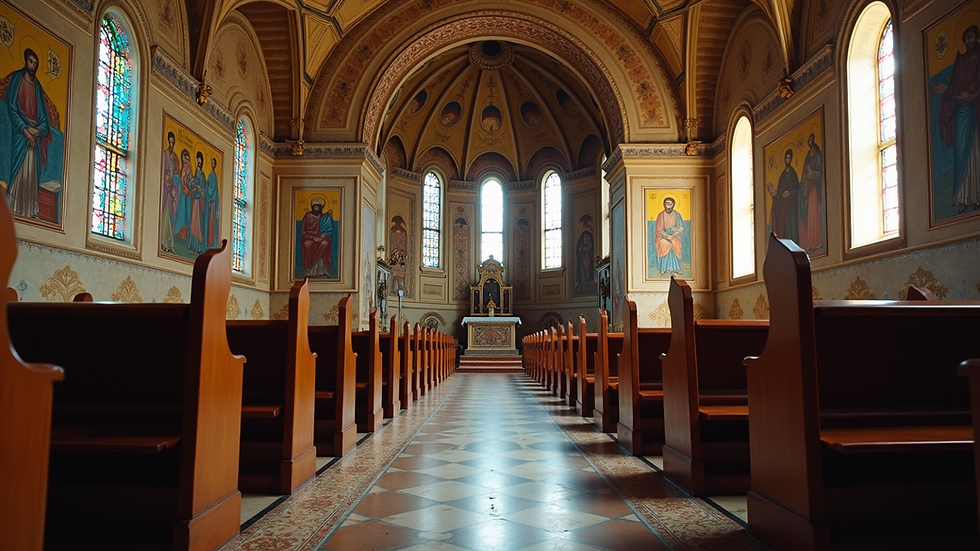
The Historical Context of Orthodox Traditions
Orthodox Christianity traces its roots back to the early Christian church, with its traditions evolving over centuries. The Great Schism of 1054 marked a significant divide between the Eastern Orthodox and Roman Catholic churches, leading to distinct theological and liturgical developments.
Key Historical Events
The Council of Nicaea (325 AD): This was the first ecumenical council that addressed key theological disputes, leading to the Nicene Creed, which is still recited in Orthodox liturgies today.
The Fall of Constantinople (1453): This event had profound implications for Orthodox Christianity, leading to the spread of the faith in Eastern Europe and Russia.
The Russian Revolution (1917): The rise of communism in Russia posed significant challenges to the Orthodox Church, leading to persecution and a struggle for survival.
These historical events have shaped the identity of Orthodox Christianity, influencing its traditions and practices.
Core Beliefs of Orthodox Christianity
At the heart of Orthodox Christianity are several core beliefs that guide the faith and practices of its followers. Understanding these beliefs is essential for grasping the significance of Orthodox traditions.
The Trinity
Orthodox Christians believe in the Holy Trinity: God the Father, God the Son (Jesus Christ), and God the Holy Spirit. This belief is foundational and is reflected in the liturgical practices of the church.
The Sacraments
The Orthodox Church recognizes seven sacraments, which are seen as means of grace. These include:
Baptism: The initiation into the Christian faith.
Eucharist: The central act of worship, commemorating the Last Supper.
Confession: A sacrament of reconciliation and forgiveness.
These sacraments are deeply embedded in Orthodox traditions and are celebrated with great reverence.
The Authority of Tradition
Orthodox Christianity places a strong emphasis on the authority of tradition. This includes the teachings of the Church Fathers, the decisions of ecumenical councils, and the liturgical practices that have been handed down through the ages. This reliance on tradition helps maintain continuity and unity within the faith.
The Role of Liturgy in Orthodox Worship
Liturgy is a central aspect of Orthodox worship, serving as a means of connecting believers with God and the community. The Divine Liturgy, which is the primary worship service, is rich in symbolism and ritual.
Structure of the Divine Liturgy
The Divine Liturgy consists of several key components:
Preparation: The clergy prepare the altar and the elements for communion.
Liturgy of the Word: This includes readings from the Scriptures and a sermon.
Liturgy of the Faithful: The Eucharist is celebrated, where believers partake in the body and blood of Christ.
Importance of Icons
Icons play a significant role in Orthodox worship. They are not merely decorative; they serve as windows into the divine. Icons depict Christ, the Virgin Mary, and the saints, and are venerated by the faithful during services.
Orthodox Traditions in Daily Life
Orthodox traditions extend beyond the church and into the daily lives of believers. These practices help to cultivate a sense of community and spiritual growth.
Fasting and Feasting
Fasting is an integral part of Orthodox spirituality. The church prescribes specific fasting periods throughout the year, such as Great Lent and Advent. These fasts are often followed by feasting, which celebrates significant religious events.
Family and Community Life
Family plays a crucial role in Orthodox traditions. Many families gather for prayers, especially during significant religious holidays. Community events, such as church picnics and festivals, foster a sense of belonging and shared faith.
Pilgrimages
Pilgrimages to holy sites are a cherished tradition in Orthodox Christianity. Sites such as Mount Athos in Greece and the Holy Land attract thousands of pilgrims each year, offering a chance for spiritual renewal and connection to the faith's history.
The Impact of Modernity on Orthodox Traditions
As society evolves, so too does the practice of faith. Orthodox Christianity faces unique challenges and opportunities in the modern world.
Embracing Technology
Many Orthodox churches are beginning to embrace technology to reach a broader audience. Online services, social media, and digital resources are becoming more common, allowing believers to engage with their faith in new ways.
Interfaith Dialogue
In an increasingly pluralistic society, Orthodox Christians are engaging in interfaith dialogue. This fosters understanding and respect among different religious traditions while maintaining the integrity of Orthodox beliefs.
Addressing Contemporary Issues
Orthodox leaders are increasingly addressing contemporary issues such as social justice, environmental concerns, and mental health. This engagement reflects a commitment to living out the faith in a way that is relevant to today's challenges.
Conclusion
Understanding Orthodox traditions in modern faith is essential for appreciating the depth and richness of this ancient Christian tradition. From its historical roots to its contemporary practices, Orthodox Christianity offers valuable insights into the spiritual journey of believers. As the world continues to change, these traditions remain a source of strength, community, and connection to the divine.
By exploring and embracing these traditions, both adherents and those curious about the faith can find meaning and purpose in their spiritual lives. Whether through participation in the Divine Liturgy, engaging in community life, or simply reflecting on the teachings of the Church, the Orthodox faith continues to inspire and guide its followers in a rapidly changing world.


Comments